
Florida is a state built on movement. Airports buzz from dawn to midnight, supermarkets stay crowded from open to close, and large retailers see a nonstop flow of customers. In this fast paced environment, slip and fall accidents can happen suddenly and without warning. What surprises many people is not only how common these accidents are, but how preventable they often are when proper safety standards are followed. Understanding how these incidents occur, why they are taken so seriously under Florida law, and how injured individuals can protect themselves is essential for anyone living in or visiting the state.
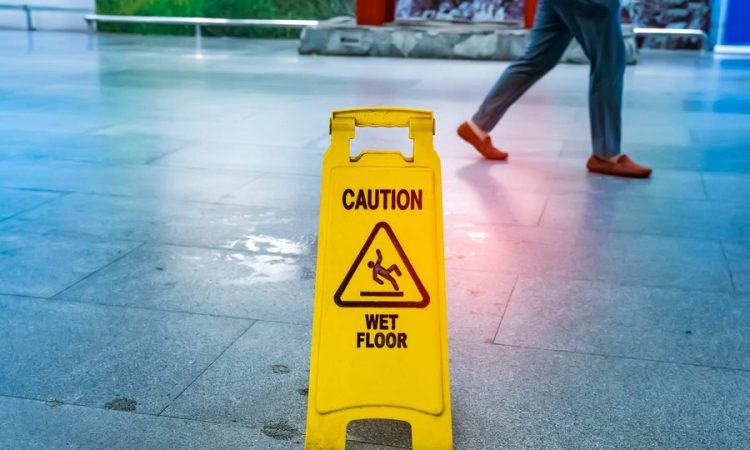
Slip and fall dangers do not appear out of nowhere. They nearly always come from a failure to maintain safe conditions. Some hazards develop slowly, like worn carpeting that starts to lift, tiles that crack over time, or lighting that fades in a heavily used walkway. Others happen instantly. A bottle falls from a supermarket shelf and breaks. A cooler in a busy store leaks water across the aisle. Rain tracked in from outside creates wet patches on a terminal floor. These conditions become dangerous the moment they are not addressed. A smooth and polished airport concourse can turn slippery with only a few drops of water, and travellers focused on catching flights may not notice until it is too late.
Florida law recognises the seriousness of these risks. Public spaces must be kept reasonably safe, and that includes regular inspections, proper maintenance, and immediate action when hazards appear. The law does not require perfection, but it does require responsibility. For example, in a supermarket like Publix, a spill that remains unattended for an unreasonable length of time may indicate that staff failed to follow proper safety routines. More insight into how supermarket related claims work can be found in this detailed guide on Publix slip and fall injuries.
Airports, however, present their own unique challenges. Florida airports are built to accommodate enormous numbers of passengers, luggage, food service activity, rolling carts, families, business travellers, and visitors from around the world. The more complex the environment, the easier it becomes for hazards to develop. Water leaking from a restroom, liquid dropped near a gate, loose carpeting on a jet bridge, or luggage blocking narrow pathways can all create dangerous conditions. A traveller who falls while pulling a heavy suitcase or rushing to a flight may suffer more severe injuries due to the force and momentum involved. Additional details about airport related incidents are available here: Florida airport slip and fall cases.
When a slip and fall occurs, the question that matters most is simple. Did the business or property owner act responsibly. This question is not answered by guessing. Instead, it is answered by evidence. Surveillance footage showing how long a spill was ignored, cleaning logs that reveal missed inspections, witness statements describing the condition of the area, and medical documentation showing the severity of the injuries all contribute to building a strong case. Because airports and large retailers involve multiple parties, such as vendors, contractors, or tenant businesses, determining who is responsible can require careful investigation.
The injuries from a slip and fall accident can be far more serious than most people expect. A sudden fall can cause broken bones, torn muscles, knee injuries, herniated discs, shoulder damage, or head trauma. Recovering from these injuries often requires significant medical care. Emergency treatment may be followed by scans, therapy, medication, or even surgery. For travellers, the timing makes everything more complicated. Many are far from home, on tight schedules, or carrying heavy luggage. An injury can disrupt not only their trip but their ability to work, move comfortably, and carry out daily activities for months afterward. Florida law allows these individuals to pursue compensation for medical costs, lost wages, reduced earning capacity, pain, and long term effects.
Insurance companies that represent airports, supermarkets, and large retailers often respond quickly after an accident, but their priority is usually to reduce financial responsibility. They may attempt to shift blame by arguing that the injured person was distracted, carried too many bags, walked too quickly, or ignored visible signs. This tactic relies on Florida’s comparative negligence system, which lets insurers reduce compensation by claiming the victim contributed to the fall. This is why photographing the area, collecting witness names, and reporting the incident immediately can make a significant difference. The more information that is documented early, the harder it becomes for insurers to distort the facts later.
Chalik and Chalik Injury Lawyers represent individuals injured in Florida slip and fall accidents. They do not represent airports, supermarkets, or major retailers. Their commitment is to the injured person, not the companies responsible for the unsafe conditions. Their experience with complex premises liability cases allows them to identify which parties are legally responsible, preserve crucial evidence before it disappears, and challenge insurance strategies designed to limit compensation. Every case receives direct attorney involvement, ensuring that victims receive guidance from lawyers who understand both the legal process and the real world impact of an unexpected injury.
Slip and fall accidents in Florida are not simply random accidents. They are events shaped by safety choices, property maintenance, and the responsibility that businesses owe to the public. By recognising how these cases work and understanding the importance of evidence, injured individuals can take the first steps toward protecting their rights. With the right legal support, they can hold negligent parties accountable and move forward with the compensation they need to recover.
For those seeking peaceful dispute resolution, professional mediation on Cherry Street offers a practical alternative to traditional litigation. Mediation encourages open dialogue, helping parties understand each other’s perspectives and reach fair agreements. With experienced mediators guiding the process, conflicts can often be resolved more efficiently while maintaining respect and cooperation between everyone involved.