
Walmart stores across the United States are designed to move large numbers of customers through aisles stocked with groceries, electronics, household items, and seasonal merchandise. With this level of activity, injuries unfortunately happen far more often than most people realize. From slip and fall accidents to falling merchandise and defective carts, shoppers may find themselves facing sudden and unexpected harm. When this occurs, Walmart’s internal claims process becomes a critical part of the aftermath. Understanding how this system works is essential, and many injured individuals turn to resources like the Injury Claims Department to learn what to expect. Chalik and Chalik, who represent injured customers and never Walmart, regularly guide individuals through these complex and often intimidating procedures.
Walmart’s national structure means that its responses to injuries are standardized. After an accident, store management typically creates an internal incident report that documents what occurred. While this seems straightforward, these reports often focus heavily on facts that protect the retailer. Key details may be minimized, omitted, or framed in a way that benefits Walmart during future negotiations. This is one reason injured shoppers should be cautious about relying solely on Walmart’s documentation. A detailed independent account, along with photographs and witness statements, can be far more accurate and valuable.
Once the incident is reported, Walmart usually passes the claim to corporate representatives or third party administrators who handle injury evaluations. Their job is to gather information, determine Walmart’s potential liability, and limit the company’s financial exposure. Although these representatives may appear friendly and cooperative, their questions are often designed to elicit statements that shift blame onto the customer. A Walmart injury lawyer understands this dynamic and can help ensure that injured individuals do not accidentally weaken their cases by providing incomplete or misleading statements under pressure.
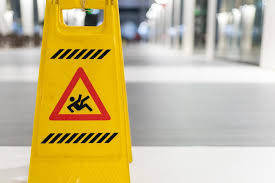
One of the biggest challenges for injured customers is securing evidence before it disappears. Many hazards inside Walmart stores are temporary: spills evaporate, debris gets cleared away, and unstable displays are quickly repaired or removed. Surveillance footage is one of the most important forms of evidence, but it is not preserved automatically. Walmart often overwrites video within days. Without a prompt legal request, critical footage may be lost. Chalik and Chalik frequently move fast to preserve evidence, particularly in slip and fall cases where proving constructive knowledge is essential.
Another issue involves employee testimony and store safety protocols. Walmart has detailed corporate guidelines covering inspections, spill cleanup, display setup, and maintenance. But these policies are not always followed consistently. High turnover, staffing shortages, and peak traffic periods often lead to missed inspections or delayed responses to reported hazards. A Walmart injury lawyer will examine whether the store adhered to its own standards or whether internal failures contributed to unsafe conditions. When employees acknowledge that a hazard existed for a long time or had been reported earlier in the day, this information can strongly support an injured shopper’s case.
Medical documentation plays a vital role in injury claims. Walmart and its insurers often argue that injuries are minor, preexisting, or unrelated to the accident. Immediate medical treatment not only ensures the safety of the injured customer but also establishes a clear record linking the accident to the physical harm. Injuries from these incidents commonly include fractured bones, torn ligaments, head injuries, and severe back pain. Over time, symptoms may worsen, making consistent follow up care equally important. Attorneys help clients build strong documentation that reflects both immediate injuries and long term medical impacts.
Walmart frequently uses comparative negligence arguments to reduce its responsibility. They may claim that the customer was distracted, wearing improper footwear, or ignoring warning signs. However, these arguments often overlook Walmart’s legal duty to maintain safe premises. Customers are not required to anticipate hidden dangers or conduct their own inspections. When a hazard exists long enough that Walmart employees should have reasonably discovered and corrected it, liability remains with the store.
Negotiations with Walmart’s corporate claims managers can be difficult. They may offer small settlement amounts early in the process in hopes that injured customers will accept less than they deserve. An attorney familiar with Walmart’s tactics understands how to counter these strategies by presenting strong evidence, medical records, and legal analysis that establish Walmart’s responsibility. This preparation often leads to more favorable outcomes than attempting to negotiate independently.
Injury cases involving Walmart require experience, thorough investigation, and a firm understanding of the retailer’s corporate systems. For injured customers seeking clear legal guidance, reviewing resources such as the detailed analyses on Walmart slip and fall injury representation can help clarify the full legal process. Chalik and Chalik assist injured individuals by protecting their rights, preserving crucial evidence, and navigating the complex corporate claims structure that Walmart uses nationwide.
Ultimately, Walmart’s size and influence should not prevent injured shoppers from obtaining fair treatment. With strong legal advocacy, customers can pursue compensation for medical expenses, lost income, long term pain, and other losses. Understanding how Walmart handles claims is the first step, and securing experienced representation ensures that the process remains fair and grounded in the truth.